As a CEO for a Digital Marketing Agency, I have seen the trends for the marketing trends for 2012 based on our experience in this domain and the feedback from our customers.
Here are my picks for the Top marketing trends for 2012, and all of which are being based on massive volume of structured and unstructured data.
1. Big Data
Most companies and big enterprises these days are depending more and more on big data. We in sales and marketing departments, collect customer data in every touch point with the customer through different channels. These channels include phone conversation, filled forms online and offline, face to face conversation, and so on. All these data are being stored at the end of the day on customer relationship management (CRM) tools. It is very essential to have our past customers, current customers and potential customer’s interaction history in our CRM tool. As a conclusion, if we are not using Big Data means a loss of buying opportunity. As you may know, digital information is being increased every day in huge numbers. The growth of this information is what Big Data all about. The information available about buying behavior across many, many channels constitutes real opportunities to engage potential buyers in different ways to drive revenue at every stage of the customer lifecycle at the right time.
We just need to invest in Big Data tools or databases for business intelligence such as Vectorwise from Actian.com
2. Right Time Multichannel Marketing
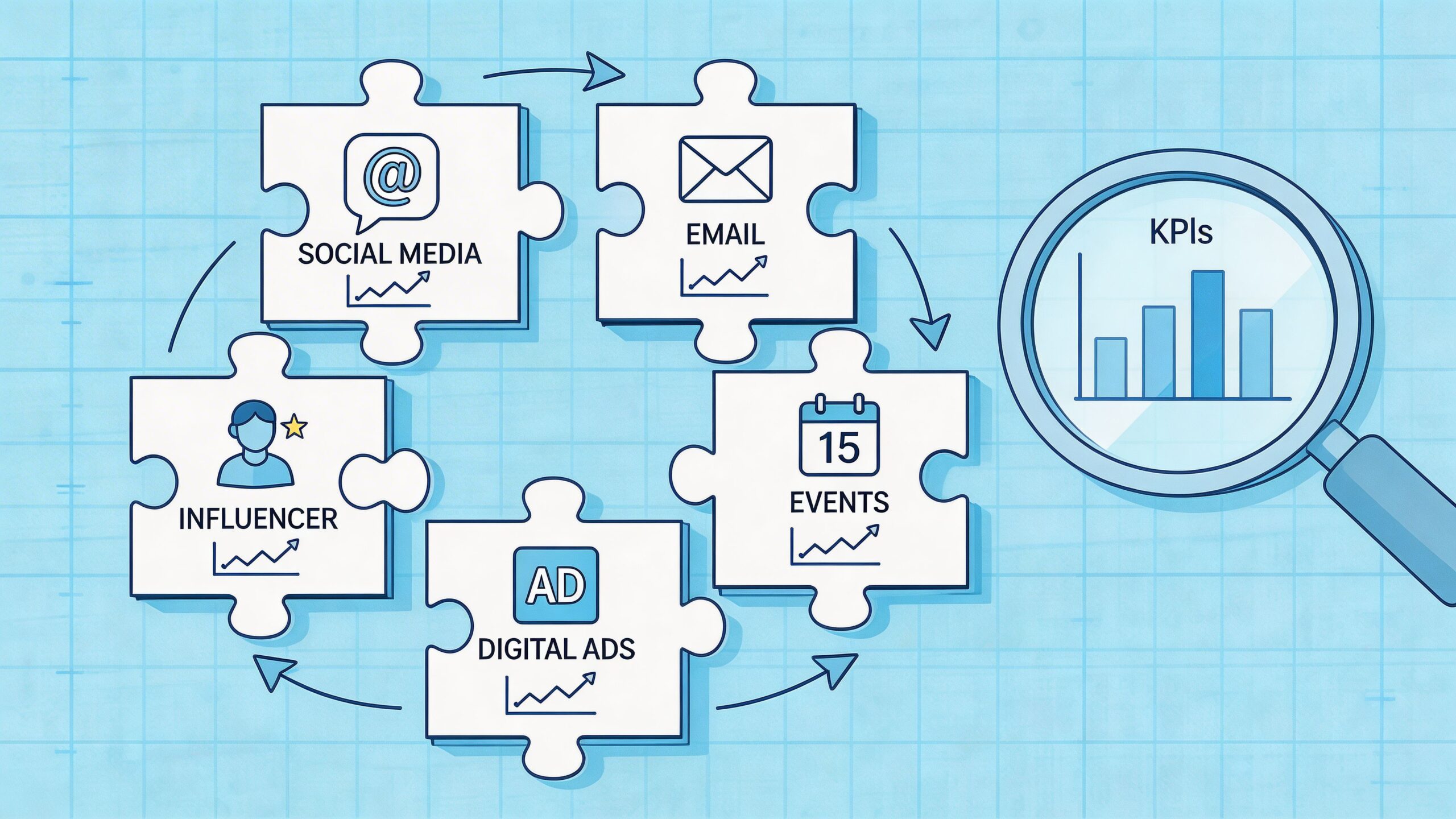
Marketing organizations must invest more time and effort in understanding their customer lifecycle in their market. Sales organization and marketing departments certainly they don’t lack data, however they lack the ability to integrate the data they have in their integrated digital marketing campaign and extract more valuable and actionable insights. As time goes by, marketers are moving away from unreliable traditional marketing approach and moving toward more integrated path across multiple media channels such as website, social media, mobile, video, email, search, display, ppc and PR. To me, one of the important players of the current marketing media is social media. We can see our audience response in real time and we can integrate that data part of their profiles in our CRM and marketing automation tools. The integration of audience data from multiple sources makes it possible to correlate customer attributes and interests to replace the wasteful shotgun approach to marketing with more targeted, effective, and memorable multiple-channel campaigns. Then marketers are dealing with multichannel marketing as a path where they can see customer interaction history and experience and how it leads to refined forms of customer intelligence. As a result, marketers achieve right time multichannel marketing and revenue optimization. When you transform Big Data into customer intelligence, and then use it across right-time multichannel marketing, your opportunities for driving revenue throughout the customer lifecycle become enormous.
3. Marketing Automation Integration with CMS and CRM
Last year, we have worked with larger customers and we had the opportunity to be working on projects that involve more complex integration between CMS, Marketing Automation, CRM, Analytics and PPC systems. We had the opportunity to deeply analyze several marketing automation tools such as Marketo, Eloqua, Aprimo, Alterian and Leadformix.
These companies are really investing into their products and they are building very intelligent functionality to provide better data to their audience via their platforms. I am daily involved with calls or emails that have some questions about marketing automation and CRM integration. As a result, I have concluded that this type of integration creates a true closed-loop sales-and-marketing system between your marketing automation platform and CRM systems that connects and extends your Big Data.
Here is a summary for some benefits of this approach:
· Higher rates of reporting and forecasting metrics
· Cohesively combining customer interactions, insights and resulting actions
· Improving demand generation and qualified leads
· Real-time and intuitive personalization
· Instant intelligence on prospects and deal influencers of site visitors
· Increasing efficiency and decreasing complexity
In conclusion, the application of customer intelligence to the customer lifecycle now creates marketing opportunities that have never been realized before. Marketers can now use the customer lifecycle as a dynamic means to engage prospects and customers at the right time, with the right offer, in the way they choose to buy.
The customer lifecycle brings the capability of anytime, anyplace marketing to the forefront in a nonintrusive way.
Hassan Bawab, Founder and CEO of Magic Logix