Magic Logix BlogSubscribe to our RSS feed

Organic Marketing and Social Networking

Organic marketing is non-traditional and primarily Internet based. It is not the one-way, hard-sell-marketing that was dominant in the past. Instead, it puts real brand-power in the hands of the consumer. Whether through blogs, tweets, or a branded viral-video, consumers now directly take part in the dissemination and credibility of a brand’s message. It is the idea that if consumers take part in building a brand message, it will begin to spread organically through the target audience with more credibility and less direct push from the company. Though organic marketing can have the connotation of being “natural” and “hands-off”, companies can hardly afford to just throw their brands onto the Internet and watch what happens. Because of this, organic marketing must have the illusion of being natural, when in reality the brand is being nudged along and looked after by the company or its marketing agency.

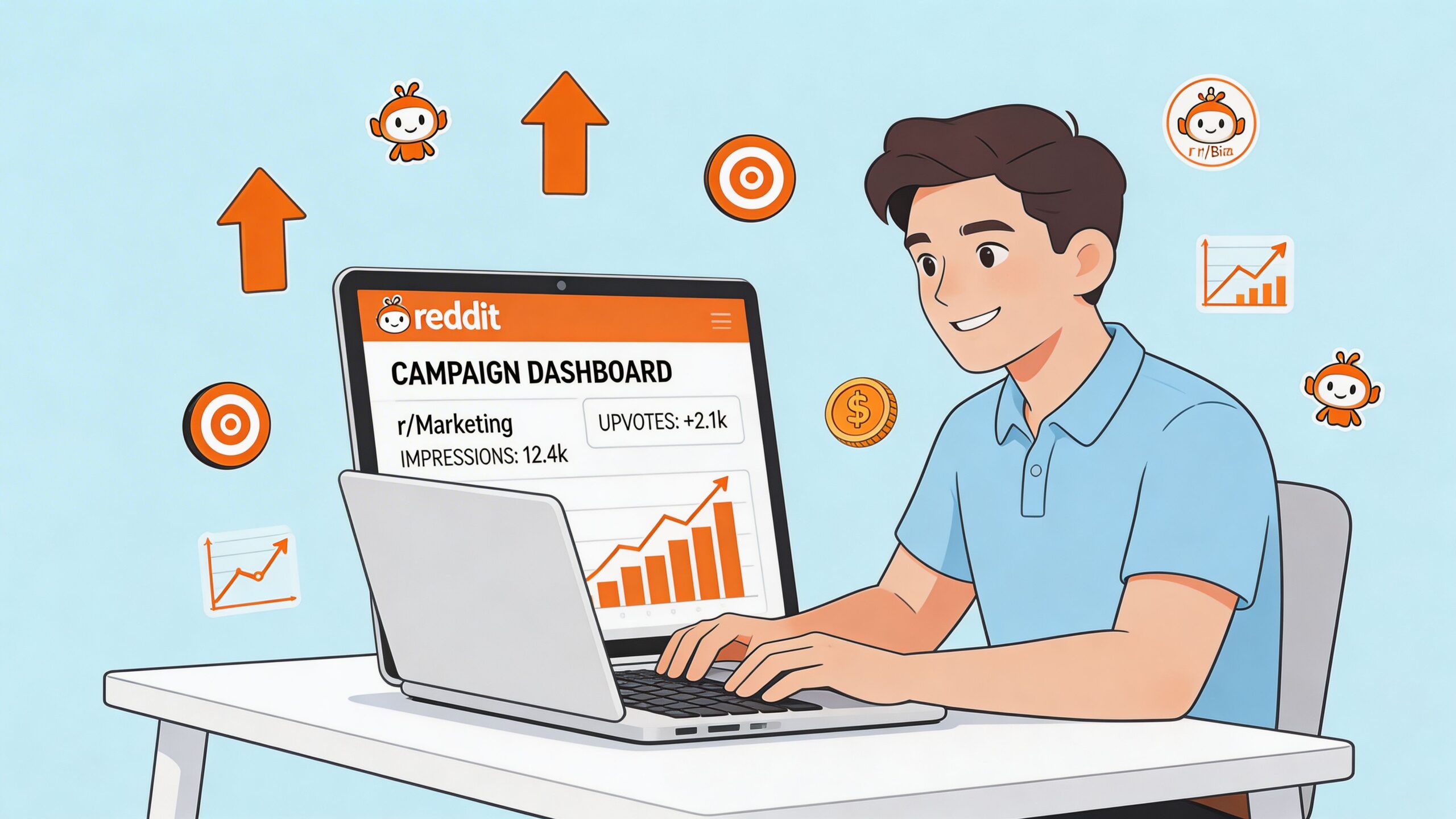
The manipulation of organic marketing on the Internet began early. With the advent of search engines came key-word-research and the seeding of popular phrases in websites to draw traffic. This practice has largely expanded and evolved with the introduction of social networking sites and information sharing. Now, instead of just submitting key-word-phrases to Google and waiting weeks for website traffic to increase, a well-executed brand message can be passed along throughout a target demographic in a matter of days by means of Facebook, Twitter, and You Tube. This mode of message-distribution benefits the brand, because the company did not directly expose the individual to the message. This provides third-party credibility. And, it also means big savings for the company, whose message has now had millions of views without buying any ad space.

Social networking also brings a whole new component to marketing – accountability. A company can no longer offer bad customer service or irrelevant marketing campaigns without consequence. With social networking, a bad review or mention in a popular blog can mean a real loss of brand capital for a company. However, social networking offers a safeguard against negative publicity: two-way communication. Consumers can give priceless feedback and allow a company to further understand the market. This can happen through the monitoring popular blogs for insight or through direct interaction on sites like Facebook. This attention to and inclusion of the consumer is now the standard. Brands who ignore this interaction in favor of one-way communication will lose market share to companies that embrace the power of social networks.

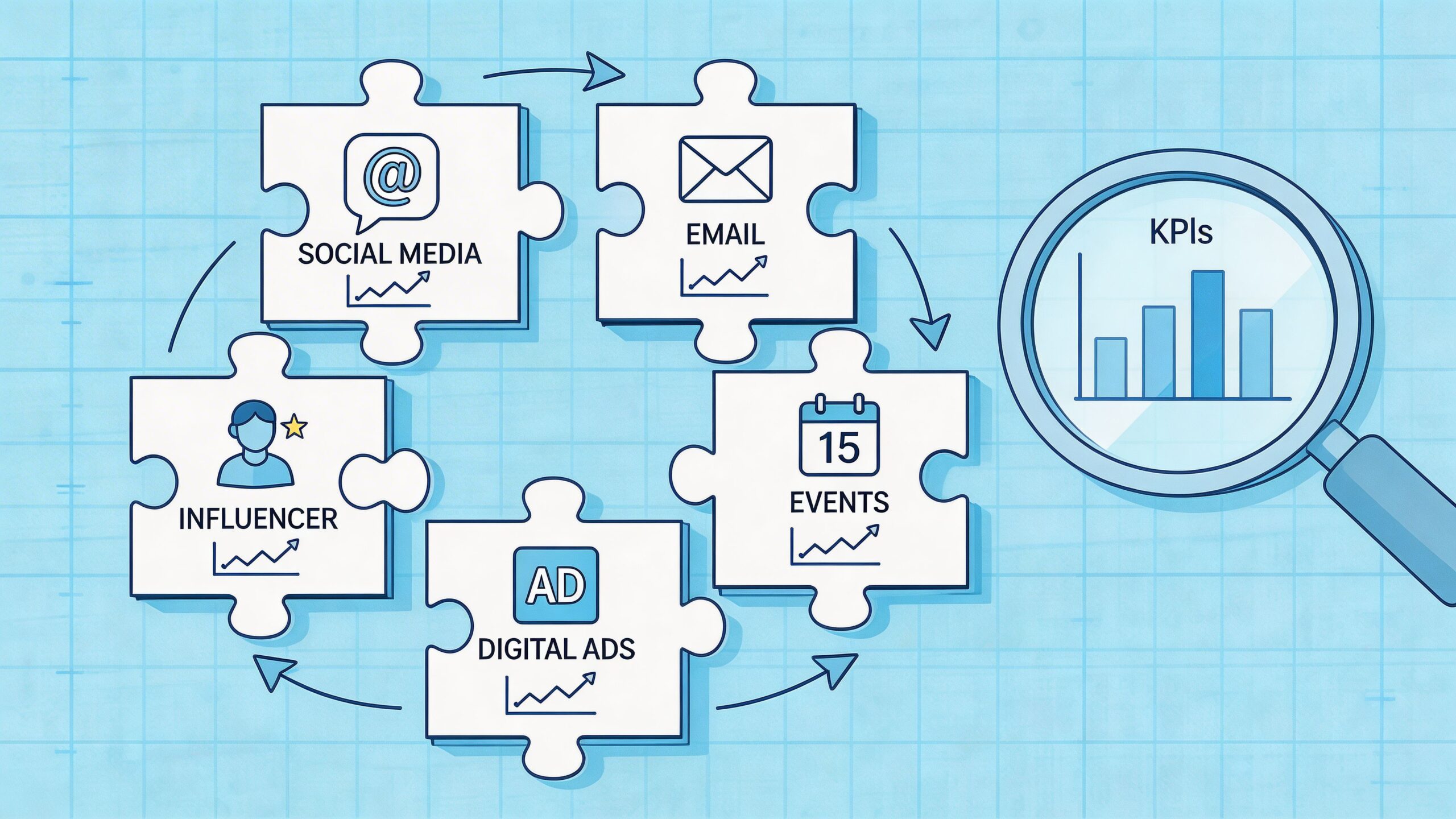
In today’s market, a brand must efficiently integrate its message across many mediums. However, organic marketing stands out in regard to importance, and it continues to grow as the social networking scene steadily branches out into older demographics. With organic marketing, the consumer has stake in the message. Every time they pass along a link or give a positive review, they are personally indorsing your brand – and therefore, they are a part of it. This allows for a very strong, loyal customer base.

Related Posts

Tags:, , , , , , , , , ,

Leave a Reply