
Have you ever wanted to try a new restaurant but hesitated at the thought of trying something new? Often times as consumers, we do not “consume” without receiving confirmation through recommendations. People can be distrustful and cautious in spending a hard earned pay check without hearing three comforting words: “I recommend it!” Similarly, online search results demonstrate these same principles. As it is pretty evident, in 2011, an ecommerce website serves as a powerful tool for online merchants. We have seen a rise in instant gratification for shoppers. Ecommerce websites are often “in the buzz” by means of mentions within social media discussions, search engines results, mobile applications, etc. It is important to stay connected positively and personally in order to bring authentic value to your brand. As the world grows fonder of a digital fortress, the power of opinion is now placed directly in the hands of the consumer.
Consumers want authentication before purchasing products offline or online. Online directories grew to be reliable sources for the consumer as the “review” was introduced to the World Wide Web. It’s now a commonplace procedure for car shoppers to check out the reviews of the dealership. The key is to apply usability and brand authentication to your online store. Once you capture a loyal audience, you will be set for online success.
Let’s take a look at five SEO tips for online merchants to promote products online and capture a loyal following. I included a few examples from www.tailwatersflyfishing.com, a website designed and developed by Magic Logix.
(1.) Optimize Product Images: The look and feel of your products displayed on your website plays a big role in your conversion. Be sure to use images that are not pixilated and grainy. Label your alt attribute “title” and “description” to ensure accessibility to those that may be unable to view the image. Add the information that you feel the consumer would ask, before they even have to ask. Add multiple images and viewpoints for each product. If the product comes in different colors, include pictures of each color. Add the “Click here for larger image” option (as illustrated below).

(2.) Detailed Product Descriptions: Provide all the details about the product. The more information provided, the more the consumer will gain trust in the product and the website. Think like the consumer and include information you would like to know before purchasing the product

(3.) Search/Product Categorization: Proper navigation can be improved through proper categorization and organization of your product inventory online.
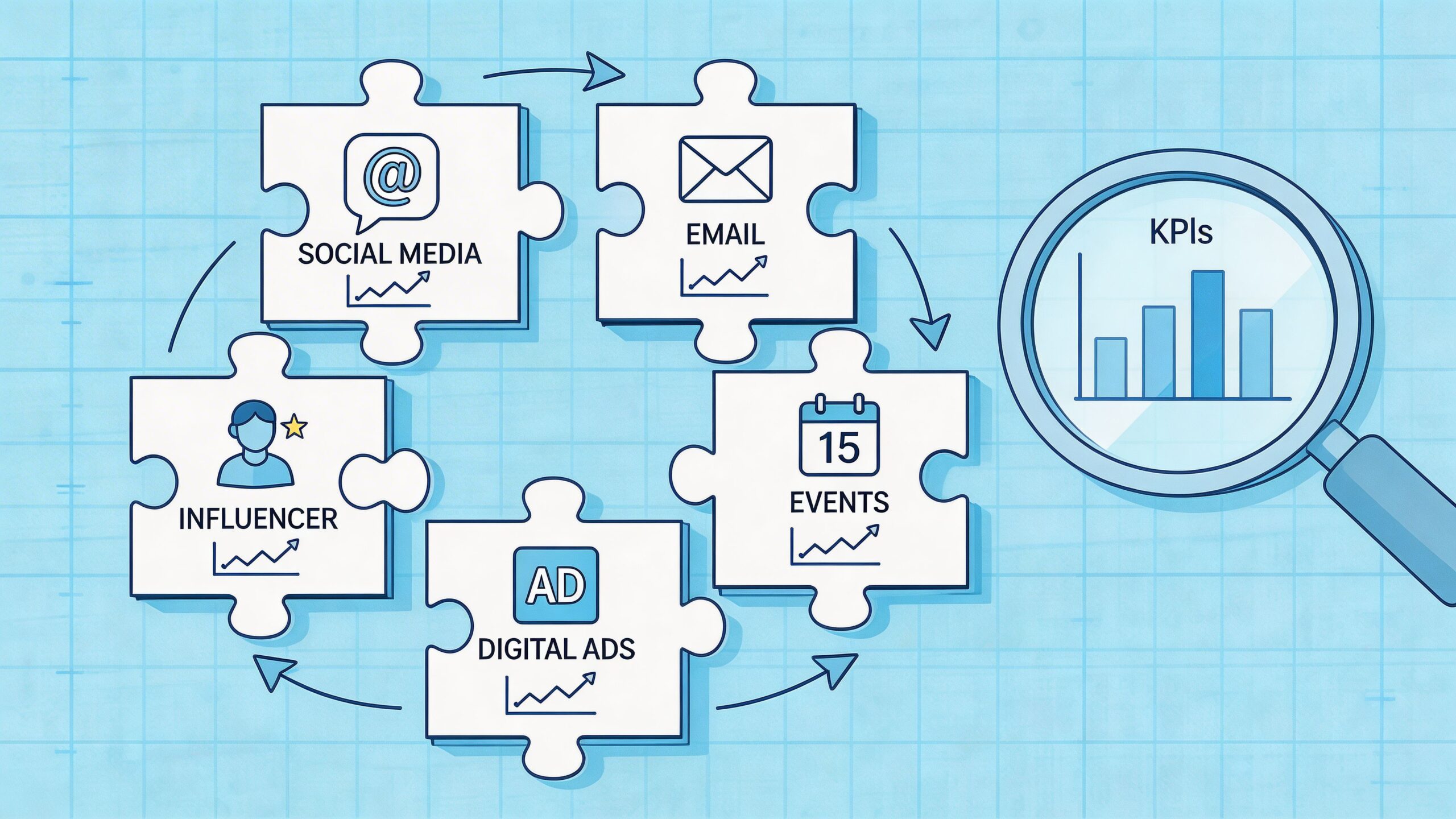
(4.) Social Media SEO: Integrating your website with social media is vital. Create social profiles in top social media sites such as Facebook, Twitter and LinkedIn. The key is to not only have a presence in these sites but an involvement. These are great tools to pin point your target audience and connect with them on a personal level. Google gives more value to websites listed on these sites that have high user interaction (comments, likes, images, etc.).

(5.) Product Reviews: Again, those comforting words “I recommended it” are powerful marketing tools. Add a feature to your website that allows customers to rate the product before and after their purchase. Also encourage your clients to write reviews on online directories. Adding reviews holds you accountable to good products, good service and good business ethics.

(6.) Blogging: Fresh, new content is significant. Blogging is a means of offering valuable information to the consumer before a purchase is made. This allows you to be viewed as the expert within your industry. It must be informative, creative, and relevant information to your product and brand.

(7.) Semantic Page Structure/Architecture: Pages should be structured in a hierarchical manner. It is important to include appropriate headings and title tags. Search Engines will pay attention to semantic markup on a page so it is important to include keywords in your headings, titles, and descriptions on each page. Organize your URL directory structure in a clear and logical order. Think about when you read a book or magazine – you first read the table of contents. The more organized the information is, the easier it is to understand the message, or in this case the “website theme.” If people do not understand how to navigate your site, they will most likely never make it to the checkout process to buy your products.
(8.) Add Newsletter Subscription: This is a great way to keep readers informed about your product and company. Adding a feature on your website where users can subscribe via email is a great marketing tool. Be creative with your newsletter and offer an incentive for signing up. Offer free coupons once a week, have a “featured product” and discount on particular items.

(9.) Digital Catalog or Brochure/Downloadable PDF’s: A consumer may be shopping online with no intention to buy a product today, and that’s completely ok. Consumers often need time to compare prices and products online. A great way to help them is to provide as much information as possible to help sway their decision. Adding an online digital catalog allows them to email the catalog. This adds an interactive element that helps your product and brand stand out amongst your competitors.

(10.) “Email & Share”: A consumer viewing your products may find a product that they feel a family member or friend may be interested in viewing. Adding a “Send to a Friend” or “Share” feature will help increase sales in the long run. You can even take this one step further and add plugins to share on social media platforms such as Facebook, Twitter, Stumble Upon, etc.